
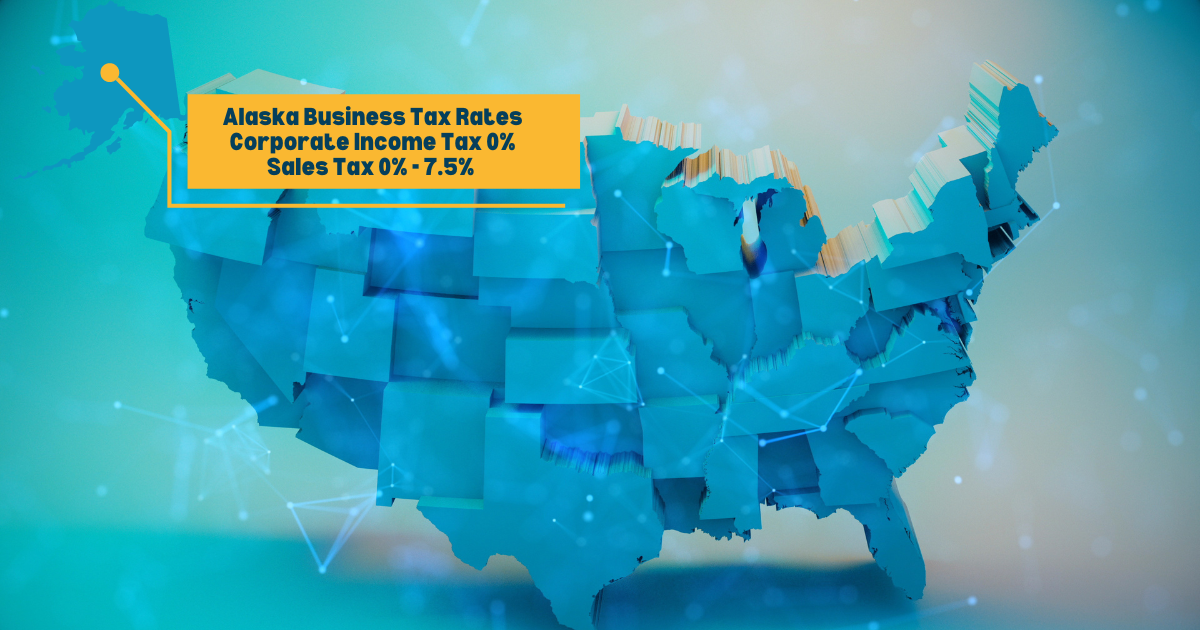
Alaska stands out as a unique state in the United States for businesses due to its distinct tax landscape. One of the key factors that sets Alaska apart is its lack of a state-level income tax. Unlike many other states, Alaska does not impose a personal income tax or a corporate income tax on businesses. This absence of income tax provides a notable advantage for businesses operating in the state, allowing them to retain more of their earnings.
Furthermore, Alaska is one of the few states that does not have a statewide sales tax. While local jurisdictions in Alaska have the authority to impose their own sales taxes, the state government itself does not levy a sales tax. This can simplify the tax obligations for businesses, especially those engaged in retail, by avoiding the complexities associated with state-level sales tax compliance.
It’s important for businesses to be aware of the nuances in local jurisdictions, as some cities and boroughs in Alaska may have their own sales tax regulations. Understanding the specific tax environment in the locality where a business operates is crucial for maintaining compliance and efficient financial planning. In essence, Alaska’s tax structure, with no state income tax and no statewide sales tax, offers a distinctive and potentially favorable environment for businesses looking to establish themselves in the Last Frontier.
What is the Corporate Income Tax Rate in Alaska?
Alaska has no income tax for individuals or businesses, so the rate is 0%.
How is State Income Tax Nexus Triggered in Alaska?
There is no income tax in Alaska, so there are no nexus triggers.
Does Having an Employee or Contractor Trigger Nexus in Alaska?
No, there is no income tax in Alaska, so having an employee there will not trigger nexus. However, there still will be state payroll tax obligations and reporting requirements to consider.
Are There State Income Tax Credits Available in Alaska?
No, as there is no state income tax, there are no credits available.
What is the Sales Tax Rate in Alaska?
Alaska is one of the few states that does not have a statewide sales tax. However, it’s important to note that certain local jurisdictions within Alaska, such as cities and boroughs, have the authority to impose their own sales taxes. These local sales tax rates can vary, with the maximum local rate capped at 7.5%. Businesses operating in Alaska should be aware of the specific rates in the areas where they conduct transactions.
How is Sales Tax Nexus Triggered in Alaska?
Since Alaska does not assess a state-wide sales tax this varies by jurisdiction, but the standard minimums that normally apply are:
- The business’s Alaska retail sales exceed $100,000, or:
- The business conducted over 200 transactions in the state.
This means that businesses making significant sales or conducting a substantial number of transactions in Alaska, even without a physical presence, may be required to collect and remit sales tax.
What Transactions are Included or Excluded from Sales Tax in Alaska?
In Alaska, the transactions subject to sales tax include statewide gross sales of goods, property, or products that are delivered into the state. Additionally, services rendered within the state and sales made through marketplaces are also included in the scope of sales tax. Alaska does not have any specific exclusions from sales tax.
Are Services Taxed for Sales Tax in Alaska?
Alaska generally does not impose state-level sales tax on services. However, it’s crucial to note that local jurisdictions within Alaska might have their own rules regarding taxation, and some local areas may choose to tax certain services.
Is SaaS Taxable for Alaskan Sales Tax?
Yes, Software and SaaS may be taxable by the local jurisdictions in Alaska, and it can vary by each jurisdiction, so this should be reviewed on the facts in each locality.
How do I get information on Alaska tax?
Information can be found on the Alaska state tax website.

Leave a Reply