
Author: Crystal Stranger JD, EA, NTPI Fellow
-

Wyoming Business Tax Guide
Wyoming’s tax landscape stands out as distinctive among U.S. states, marked by the absence of both corporate and personal income taxes. Renowned for its business-friendly environment, Wyoming provides a unique proposition for residents and businesses, as neither entities nor individuals are burdened with the requirement to file state income tax returns. This characteristic sets Wyoming…
-
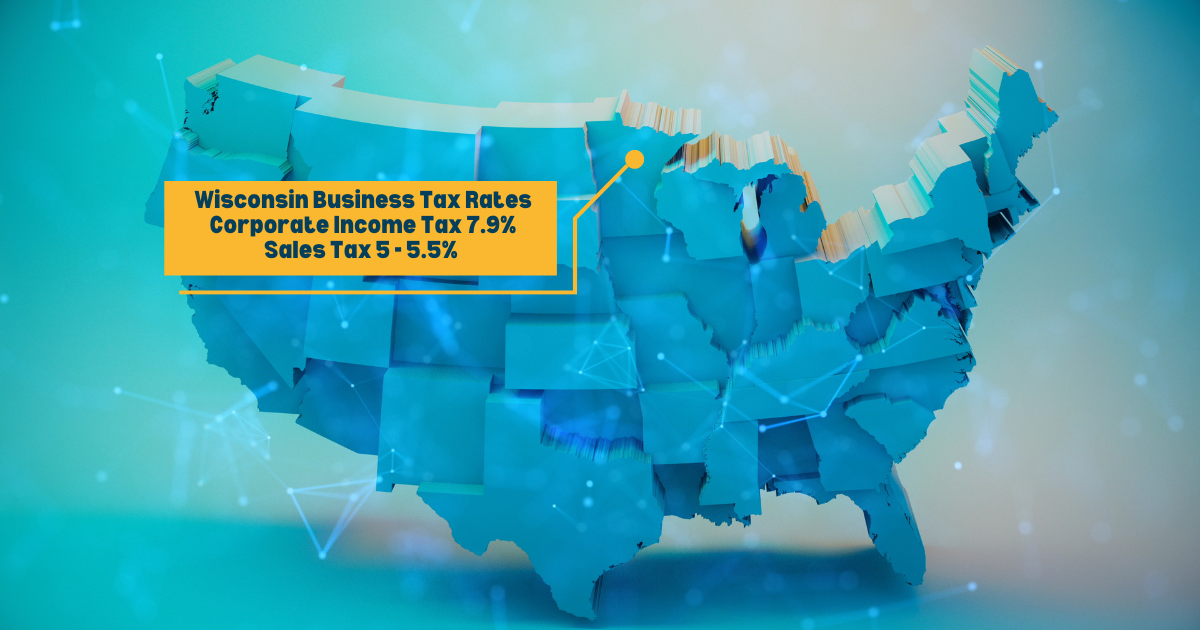
Wisconsin Business Tax Guide
Navigating the landscape of Wisconsin’s business taxes requires a comprehensive understanding of the state’s intricate tax framework. Wisconsin imposes both a franchise tax and an income tax on corporations, each with its nuances and implications. Corporations engaging in business activities within the state must grapple with the interplay of these taxes, with certain federal obligations…
-
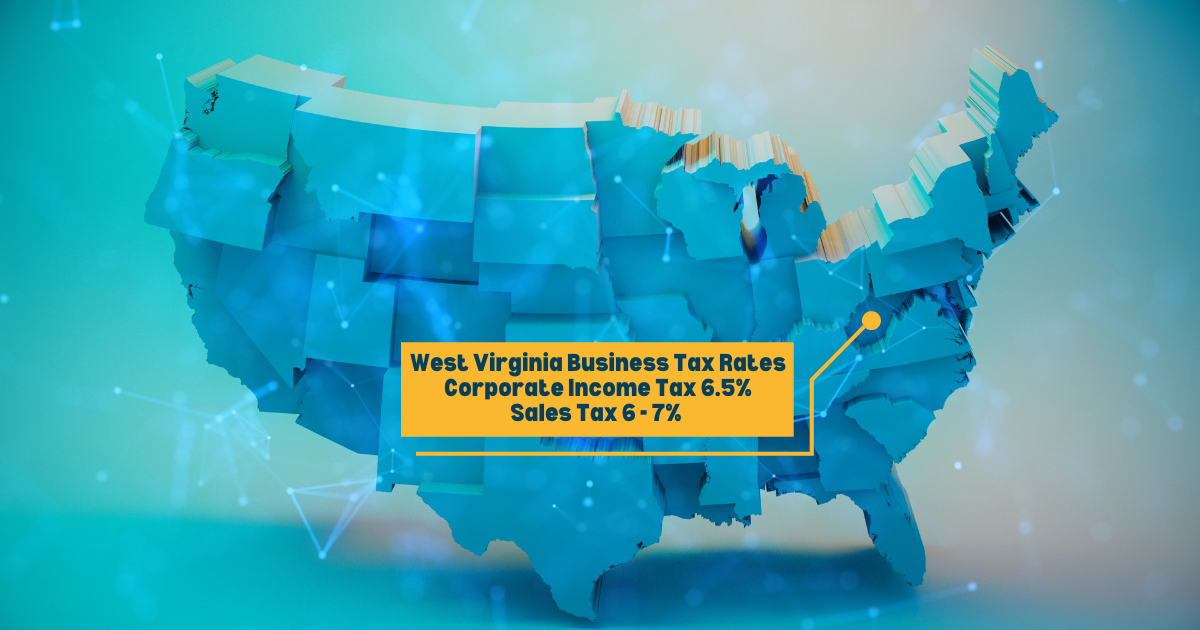
West Virginia Business Tax Guide
West Virginia’s tax landscape holds significance for corporations and individuals conducting business activities in the state. With a corporate net income tax rate of 6.5% and a minimum annual franchise tax of $50, understanding the tax obligations and deadlines is crucial. State income tax nexus is triggered by various factors, including business activities, employee presence,…
-
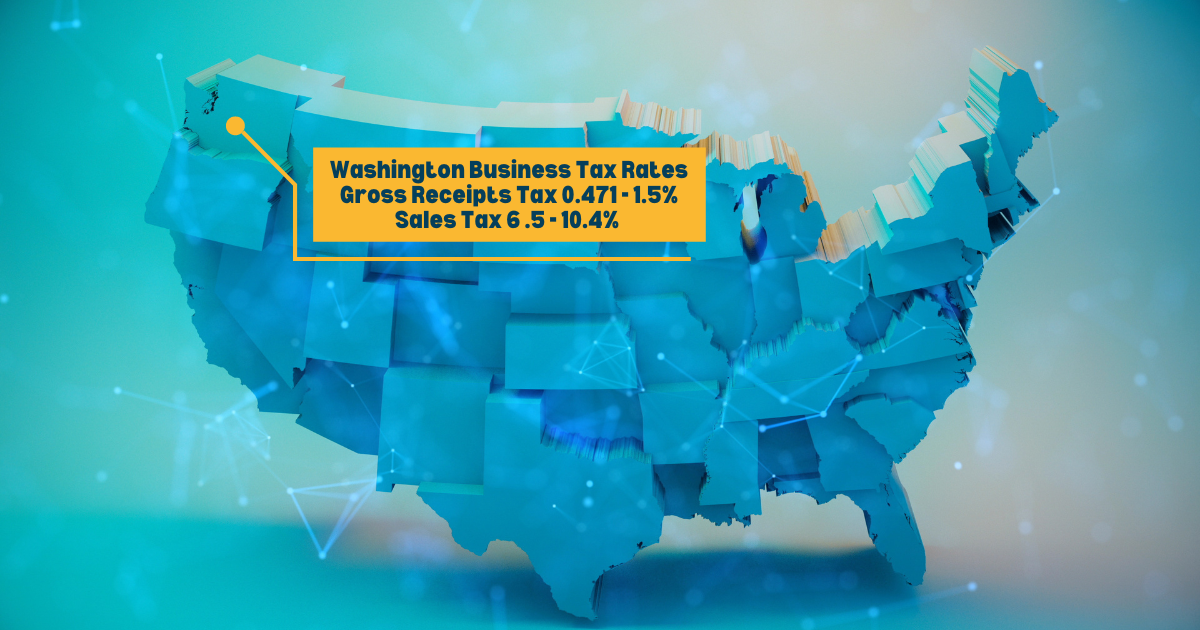
Washington Business Tax Guide
Washington state is known for its lack of personal or corporate income tax, making it an appealing choice for individuals and businesses wanting to minimize tax obligations. Instead, the state relies on the business and occupation (B&O) tax and the sales tax for revenue. The B&O tax rates vary depending on the category of business…
-

Virginia Business Tax Guide
Virginia’s taxation system presents challenges and opportunities for businesses. With a 6% corporate income tax rate and annual registration fees, understanding the tax landscape is crucial. Nexus can be triggered by having employees or contractors in the state, and various credits are available for activities like research and development, job creation, and historic rehabilitation. Sales…
-
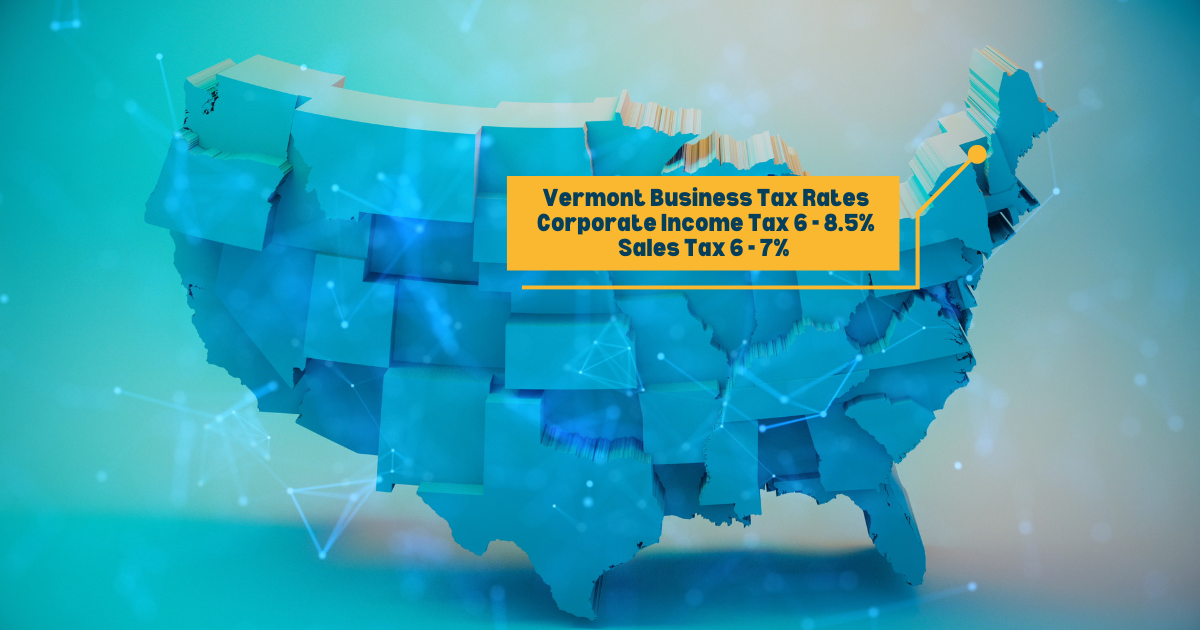
Vermont Business Tax Guide
The Green Mountain State employs a tiered corporate income tax structure, featuring graduated rates ranging from 6.00 percent to 8.5 percent, impacting businesses based on their income brackets. This structure reflects Vermont’s commitment to balancing revenue generation with fostering a conducive environment for corporate growth and economic development. In addition to corporate income tax considerations,…
-

Utah Business Tax Guide
Utah’s tax system includes a 4.65% corporate income tax rate and a $100 minimum tax for corporations with no taxable income. The state’s sales tax is 4.7%, but the total rate can reach 8.7% due to local taxes. Utah encourages online filing and electronic payments, and businesses must understand nexus triggers for income and sales…
-

Texas Business Tax Guide
Texas stands out for its lack of a corporate income tax, instead using a gross receipts tax. This distinctive approach, along with specific thresholds and filing options, creates a complex tax landscape. Texas imposes franchise tax on most businesses, and the nexus can be established through physical presence or economic factors. The state offers various…
-

Tennessee Business Tax Guide
Tennessee, nestled in the southeastern United States, stands out among states for its unique approach to taxation. Often hailed as a state without a traditional income tax, Tennessee has positioned itself as an attractive destination for businesses and individuals alike. However, its tax structure is far from simplistic, featuring distinct elements that warrant a closer…
-

South Dakota Business Tax Guide
South Dakota’s tax system presents a unique landscape with no corporate income tax and a state sales tax rate of 4.2%, with potential additional local taxes of up to 2%. The state has played a significant role in reshaping the taxation landscape for remote sellers through the Wayfair case. Remote sellers exceeding $100,000 in sales…